


“China speed” meets “Thai thoughtfulness”: CEIBS MBA alumna Pornpetcharee’s journey from pharma leader to cross-border dealmaker

With over a decade of experience working in China, Thai national and CEIBS MBA alumna Pornpetcharee “New” Nirachatsuwan is steering her successful healthcare human resources (HR) company into a new chapter. Following the recent partnership between her firm UAN One HR and Shenzhen-based HANDE HR Group, New is eager to deepen the Thai-Chinese business connections she has spent much of her adult life cultivating.
“Our two countries have such strong cultural and historical links,” New says. “We may have very different ways of doing things, but my experience has taught me that there is a lot of mutual respect and when we share our strengths, everybody benefits.”
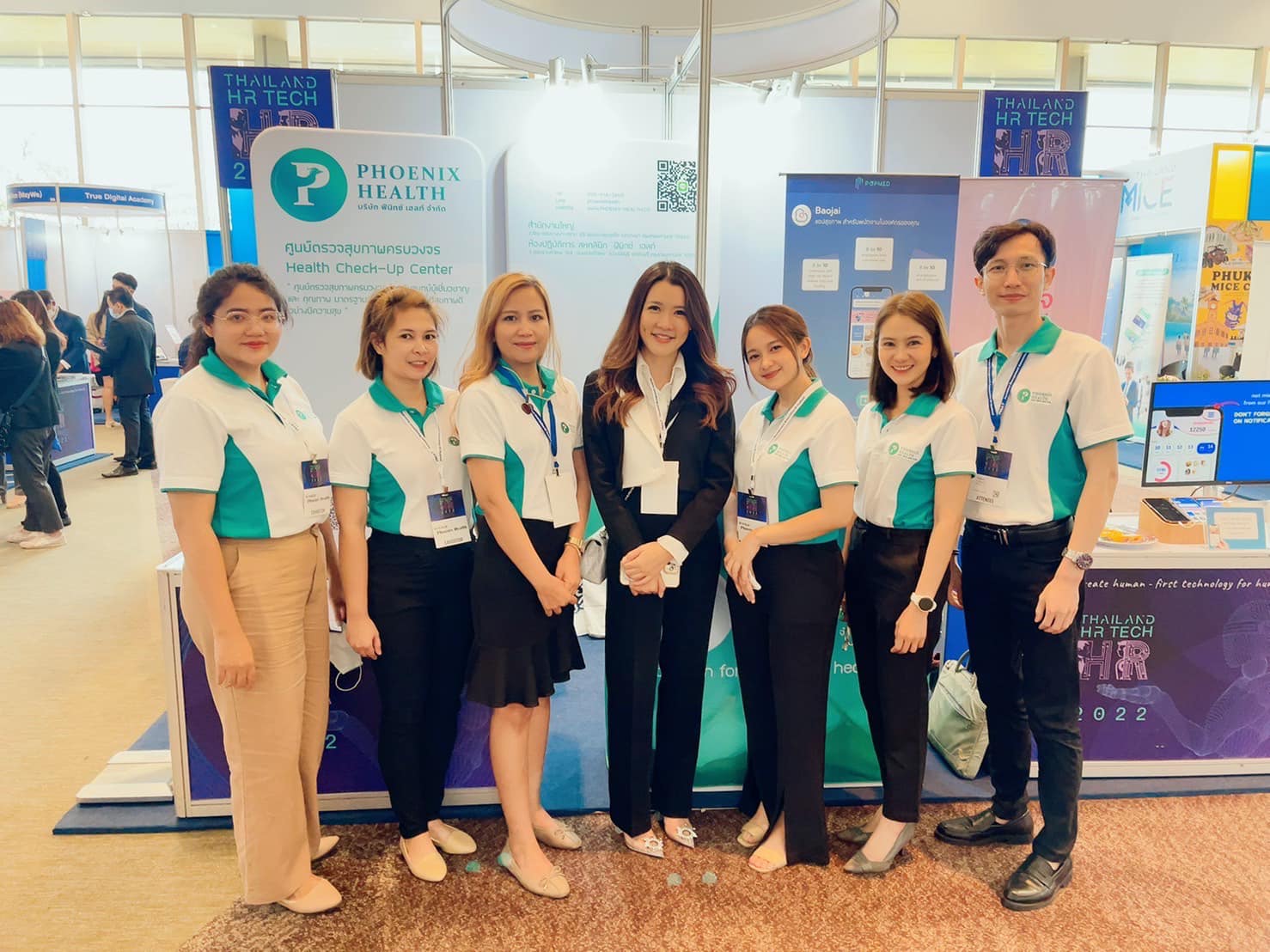
Get talking, deliver value – Healthcare is more personal than it appears
A seasoned professional at the intersection of human resources and healthcare, New understands the nuances of both fields and where they overlap. After just two years in major American multinational pharmaceutical firm Eli Lilly’s leadership programme, New climbed the ladder to reach management level in Thailand.
The secret to New’s rapid rise, in her view, was her ability to look beyond the immediate sales parameters and inject a sense of personality into her work.
“You might think that selling pharmaceuticals is all about the science behind the product. It isn’t,” New insists. “Healthcare is much more personal than that. I spent so much of my time early on just chatting with doctors – no hard sell, just getting to know them and their patients’ needs. That’s what unlocked greater sales, the sense that I was personally investing in delivering them real value.”
This philosophy of digging deeper to uncover real and lasting value for clients is something continues to shape New’s work today. Not only is she the Managing Director of UAN One HR (a family business taken over from her retired mother), she also built from scratch a company that delivers annual health check-ups on demand.
“I started this business in 2022, right in the middle of the pandemic! I started by delivering COVID tests and it quicky merged into a wider annual health check-up offering. The reason it worked was because I already had the right personal connections and relationships in place. They trusted me and, in a crisis, trust is exactly what you need,” New says.
The CEIBS effect – Smoothing the rough edges
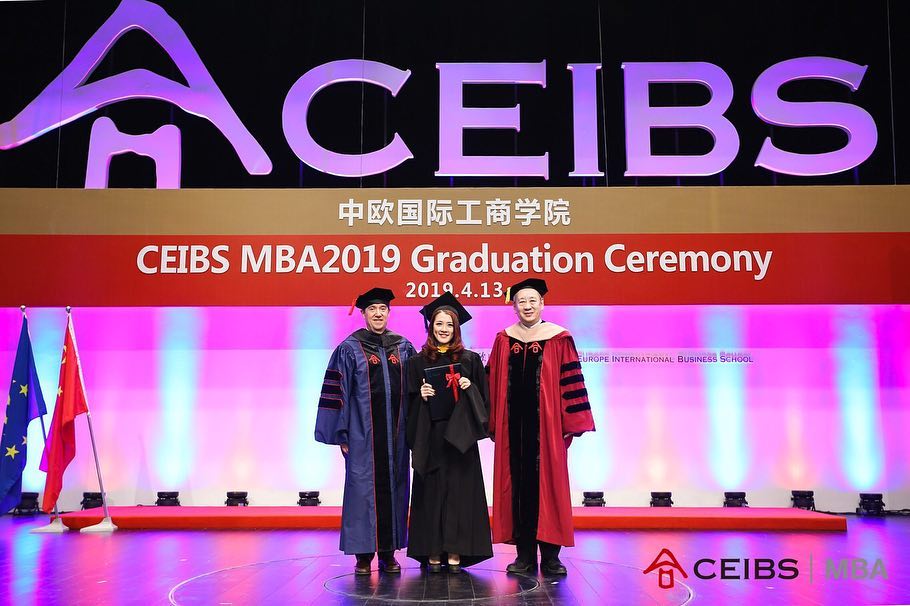
Though New firmly believes in the power of personal relationships, she also sees her MBA at CEIBS as transformative in refining her approach to business – both entrepreneurially in her nimble startup, and organisationally in her well-established family-run business with its 25-year history.
“I learned so much from CEIBS,” New shares. “Before CEIBS, I was used to being the sole decision-maker, trusting my gut instinct on everything. Thanks to my classmates, I learned the importance of asking the right questions, sifting through the data, and analysing any given business situation more deeply than an initial snap reaction.”
New left CEIBS a more rounded businessperson and leader. With far fewer knowledge gaps, and a much more formalised approach to making large-scale business decisions, she was ready to expand her fledgling business while leading UAN One HR into its significant partnership with HANDE.
Bridging two business cultures
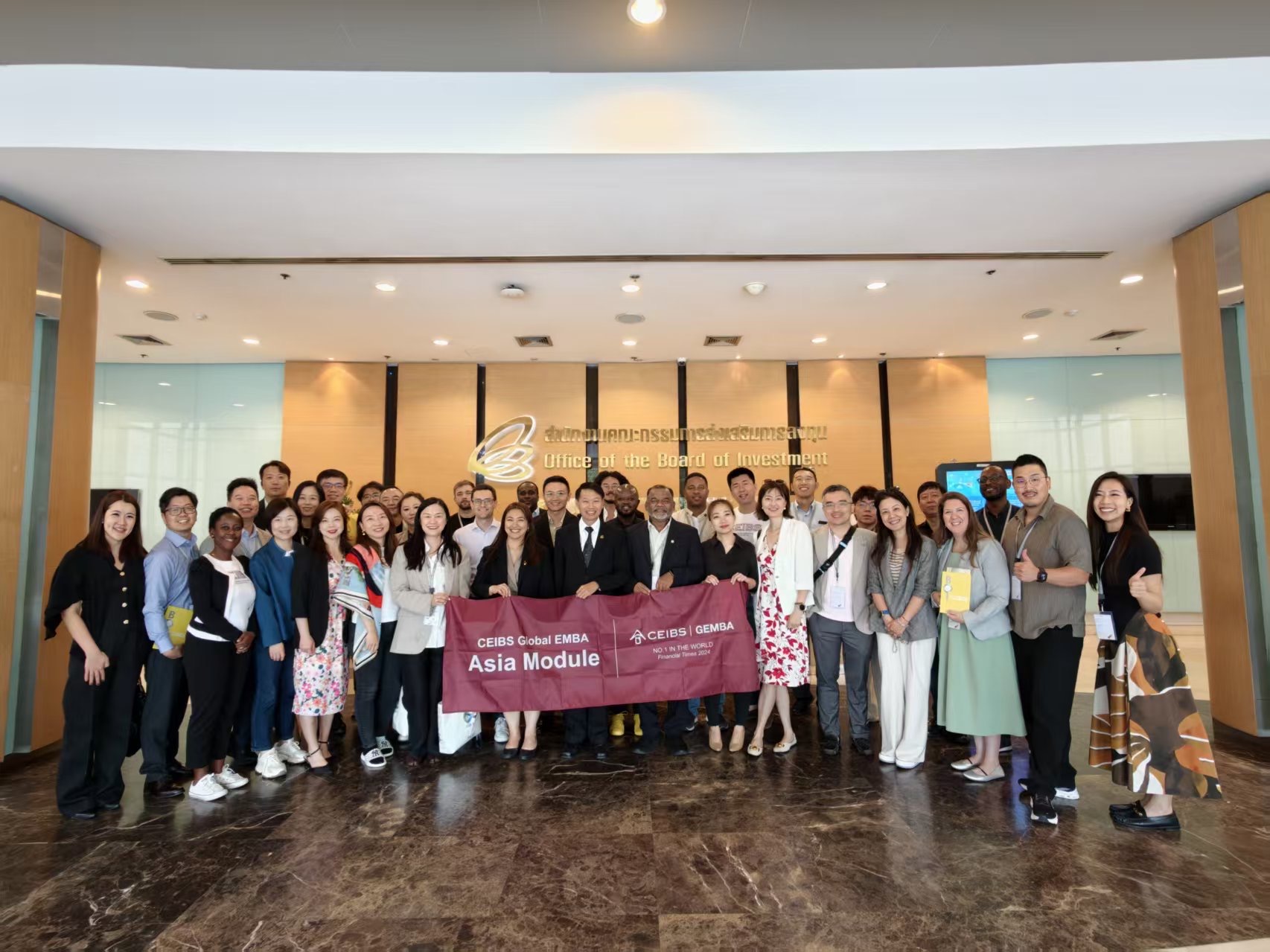
In a sense, HANDE’s expansion into Thailand reflects a new and growing trend. The past two-to-three years have seen a large influx of Chinese businesses expanding into Thailand, drawn by its vibrant market, strategic manufacturing location, and role in “China‑plus‑one” supply chains.
“Thailand is very attractive for Chinese firms,” New says. “It’s a reliable foothold market for breaking into Southeast Asia, and both business cultures value personal connections, networking, and trust.
“In China, we say ‘guanxi’, a phrase which communicates the important of personal connections. In Thailand, we say: ‘know who is better than know how’. In both cases, there is an affinity for putting faith in people you know and have already done business with successfully.”
Yet, as any business leader with a global-facing position will readily acknowledge, it’s not always easy to blend the workplace cultures of different countries. New lays out a very specific culture clash that highlights this very issue:
“Chinese people often think that when Thai people smile and nod, we are agreeing. That isn’t necessarily the case. One potentially problematic aspect of Thai business culture is that we don’t like to raise too many questions, because we worry that it may come off as a direct challenge. The best way to tell if we genuinely agree is to ask directly; don’t leave things vague or unspoken. Also, encourage questions, as they might not be naturally forthcoming from the Thai side of the table. Directly saying, ‘I really would like to hear your opinion’ can be a big help.”
On the other hand, New says that Thai people can interpret the ever-present Chinese sense of urgency and directness as impatience or even outright rudeness. So, where is the fertile middle ground between these two business cultures that share so many common values yet remain distinct? New believes that it starts with setting reasonable expectations while giving both sides space to bring their qualities to the fore.
“Bringing ‘China speed’ to Thailand can be done,” she insists. “We were once asked to help source 100 new hires within three days without any prior planning. We did it, but for the next hiring project, I feel we demonstrated the value of a more measured approach. My experience is that Chinese firms that establish themselves in Thailand effectively do take the Thai sense of thoughtfulness and planning to heart.”
Be hungry for success, but don’t “hollow out”
Looking ahead, New sees the recently formed partnership with HANDE not merely as a growth engine, but as a way to deliver greater and longer-lasting value to the clients she serves.
“HR can have a reputation for being bland or overly functional, but I don’t see it that way,” says New. “HR finds people jobs; it secures income for families; it builds fair, reliable standards in the workplace. These are the building blocks of a reputable organisation that is built to last. That’s the kind of place I want to help others create.”
At a time when China and Thailand’s economies are both transforming and maturing, New observes that it is easy for business leaders to be hungry for the next project, the next venture, and the next marker of success. However, her parting advice to the younger generation is to be mindful of their work-life balance – ignoring it carries the risk of achieving your goals while hollowing yourself out in the process.
“Be kind to yourself,” New urges. “You’re under a lot of pressure to succeed quickly. Be aware of your own limitations and, if you are struggling, seek help. Don’t ignore the warning signs. Self-care is not just a personal consideration; it’s an asset to your business too. If you are healthy, happy and emotional stable, you’re in the best possible condition to succeed professionally.”
This article is based on an interview between Pornpetcharee “New” Nirachatsuwan and CEIBS MBA 2009 alumnus Jeff Pi, host of CEIBS Alumni International Chapter (CAIC) podcast "Unscripted".